How to trace your Mexican ancestors, records, parishes and archives
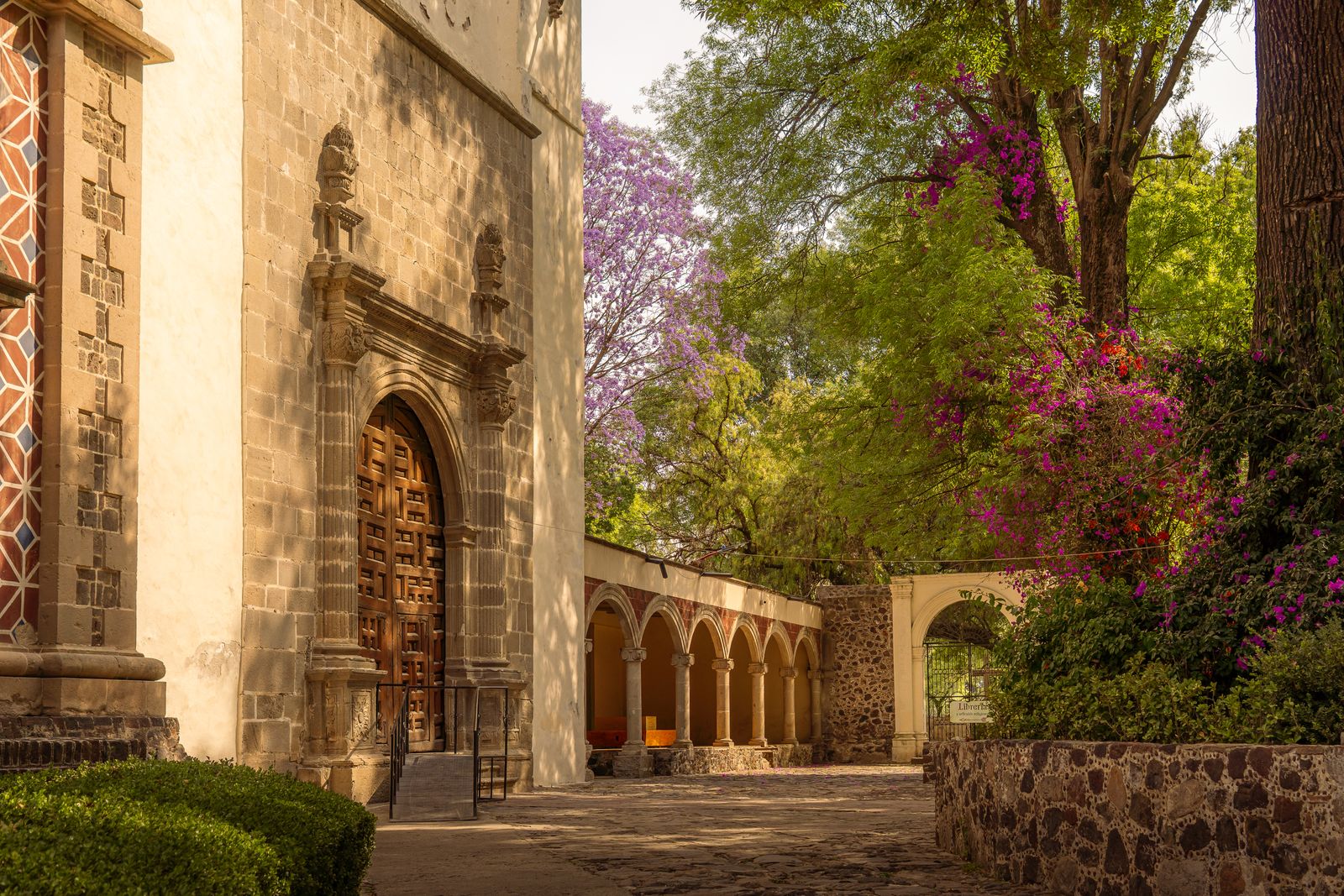
To trace your Mexican ancestors, the most important thing to know is the place: the municipality and, ideally, the parish where they lived. With that, you can search civil registration records (from about 1859 and 1860) and Catholic parish records of baptisms, marriages and burials, which often go back to the 1700s or earlier. Most are digitized and free to view on FamilySearch.
First: find the hometown
Mexican records were kept by place: each municipality had its civil registry office, and each parish its own books. If all you know is "Jalisco" or "Michoacán," your first job is finding the town.
The best sources for that:
- Older relatives. Ask where their parents and grandparents were born, which church they went to, the name of the ranch. Often that's all you need.
- Recent records. Your grandparents' birth or marriage records usually name their parents' birthplaces.
- US records. If your family moved to the United States, border crossing records, naturalization papers, World War draft cards and censuses often list the hometown.
Civil registration records
Mexico's Reform Laws created civil registration around 1859 and 1860, though in some places it took years to work consistently. The three most useful record types are:
- Births (nacimientos): name, date, place, parents and often grandparents.
- Marriages (matrimonios): ages, hometowns and both sets of parents.
- Deaths (defunciones): age, cause of death, and sometimes spouse and parents.
Where to find them:
- FamilySearch has civil records from almost every state. Many are indexed (searchable by name), and many more are browsable images organized by municipality and year.
- Recent birth records: the Mexican government sells certified copies of birth records registered in its current system online at gob.mx. Older records aren't always in that system.
- The local civil registry office or state archive, for anything not online.
Catholic parish records
Before civil registration, and for decades after, the Catholic Church recorded family life. Parish books are the gold mine of Mexican genealogy:
- Baptisms (bautismos): baptism date (usually a few days after birth), parents, grandparents and godparents.
- Marriages (matrimonios): bride and groom, parents, hometowns and witnesses.
- Marriage investigations (informaciones matrimoniales): files created before a wedding. They sometimes explain family relationships between the couple and contain details found nowhere else.
- Burials (defunciones or entierros): date, age and sometimes family.
- Confirmations (confirmaciones): useful for finding siblings.
FamilySearch has millions of images of Mexican parish records, organized by state, municipality and parish. Some books are still at the parish or the diocese archive, which may answer requests by mail.
The 1930 census
Mexico's 1930 national census is fully indexed on FamilySearch. It shows each household: names, ages, marital status, occupation and birthplace. It's great for placing a family in a town at a point in time, and for finding siblings you didn't know about.
Tips for Mexican names and Spanish records
- Two surnames. People are recorded with their father's surname followed by their mother's. The second surname tells you the mother's family name, which is a huge clue.
- Women keep their surnames. In Mexican records, married women almost always appear under their maiden names. In US records, they may appear under their husband's.
- Spelling varies. Search for variants: Ximénez and Jiménez, Báez and Váez, Ybarra and Ibarra.
- Saints' names. Many children were named for the saint of their baptism day, and nicknames are common: "María de Jesús" might appear as "Jesusa" elsewhere.
- You don't need fluent Spanish. Records follow a formula. Learn a few dozen words (nació, hijo legítimo de, abuelos paternos, padrinos, difunto) and you can read most of them. FamilySearch's wiki has Spanish genealogy word lists.
Bridging the border
If your family came to the United States, US records can lead you back to Mexico:
- Border crossing records, from roughly 1895 to the 1960s, often list the hometown and relatives.
- Naturalization records list birthplace and date of arrival.
- US censuses from 1900 to 1950 list birthplace and often year of immigration.
Our guide to finding your ancestors' immigration records explains where to look.
Other archives
- Archivo General de la Nación (AGN) in Mexico City, for federal and colonial-era records.
- State and municipal historical archives, for local documents, tax lists and land records.
- Diocesan and archdiocesan archives, for parish books not online.
What no archive holds
Records give you names and dates, but not what the town was like, what the family farmed, or why they left. Only your elders know that. Talk with them before it's lost; our 100 questions to ask your grandparents can help, and Dalia can talk with them by voice, in Spanish or English, and keep each conversation for the family.
Frequently asked questions
How do I find Mexican birth records for my ancestors?
Find out the municipality where they were born, then search that municipality's civil registration records on FamilySearch, for free. If they aren't indexed by name, browse the images by year. For births before civil registration, look for a baptism record in the same town's parish books.
Are Mexican parish records online?
Yes. FamilySearch has millions of free images of Mexican Catholic baptism, marriage and burial records, organized by state, municipality and parish. Some are searchable by name; others you browse like a book.
Do I need to speak Spanish to research Mexican ancestors?
No. Mexican records follow a standard formula, and learning a few dozen key words is enough to read most of them. FamilySearch's research wiki has Spanish genealogy word lists, and many records are already indexed in English-language search forms.
Why can't I find my great-grandmother under her husband's surname?
In Mexican records, married women almost always appear under their own surnames, not their husband's. Search for her with both of her maiden surnames. In US records, though, she may appear under her husband's name.