How to find your ancestors' immigration records
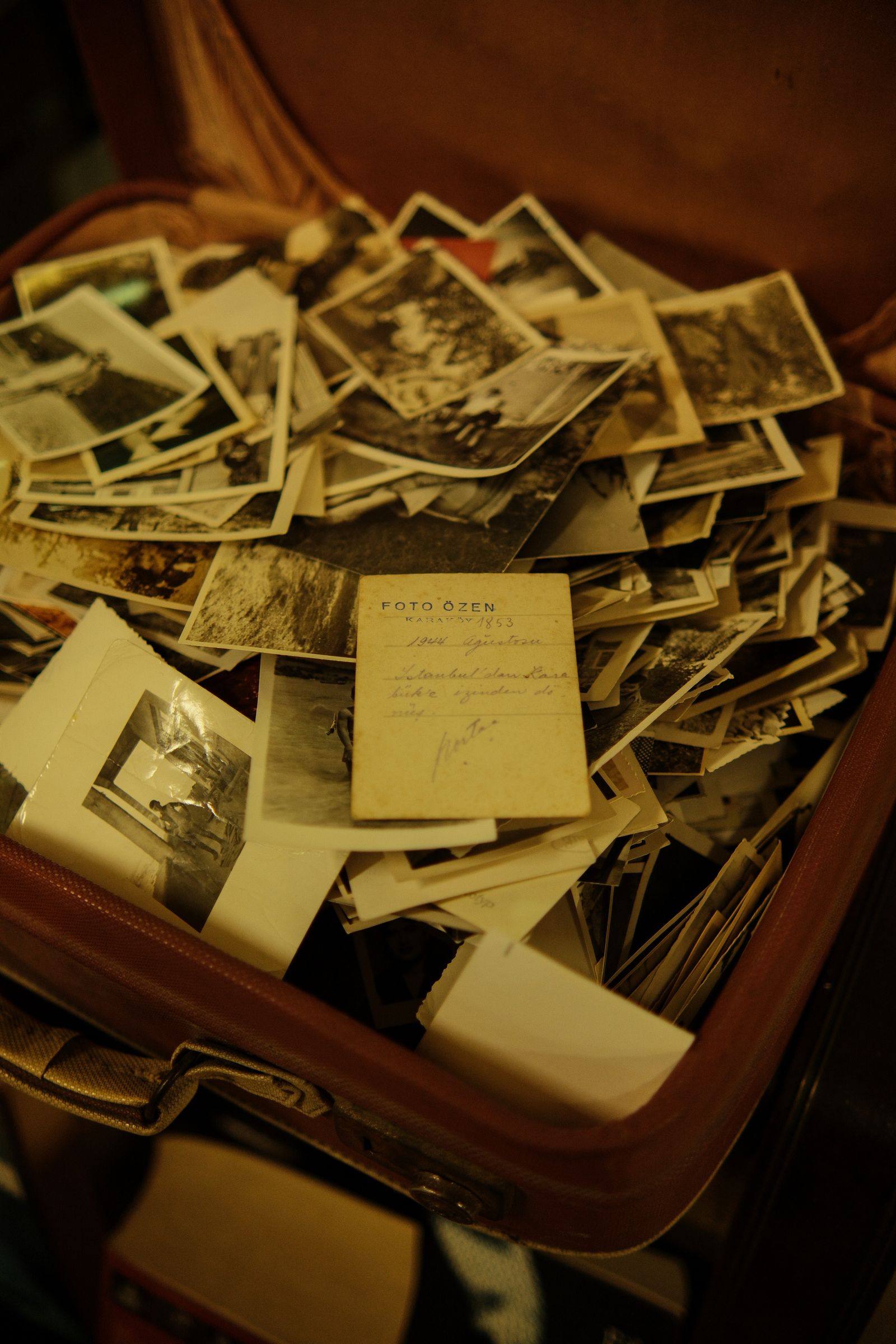
To find your ancestors' US immigration records, start with the US census to learn roughly when they arrived and whether they became citizens. Then look for their arrival in passenger lists (for ships) or border crossing records (for land crossings from Mexico or Canada), and for naturalization papers. These records often name the hometown, which is the key to tracing the family further back. Most are free to search on FamilySearch and the National Archives.
Step 1: Use the census to narrow things down
US censuses from 1900 to 1930 asked immigrants for their year of immigration and citizenship status, and the 1940 and 1950 censuses asked about citizenship too. Look for:
- Year of immigration, to know which arrival records to search.
- "Al" (alien), "Pa" (first papers filed) or "Na" (naturalized), which tell you whether naturalization records exist.
- Birthplace, usually just a country, but sometimes more.
Ages and years vary between censuses, so collect all of them and look for the pattern.
Step 2: Find the arrival record
By ship: passenger lists. Ships arriving in the United States kept lists of passengers. Lists from the early 1900s onward are the most detailed, often including the hometown, the closest relative left behind, and the person they were joining in the US. Search:
- FamilySearch, free, for many ports.
- The Statue of Liberty-Ellis Island Foundation's free database, for New York arrivals.
- National Archives, which holds the original lists.
By land: border crossing records. If your ancestors came from Mexico, look for border crossing records, kept at ports of entry along the US-Mexico border from roughly 1895 into the 1960s. They can include the hometown, physical description, the person joining, and sometimes a photo. They're on FamilySearch and Ancestry, and the National Archives holds the originals.
Many people crossed more than once, or crossed back and forth for work, so you may find several records for the same person.
Step 3: Look for naturalization records
If your ancestor became a citizen, naturalization records can be rich. The process usually had several documents:
- Declaration of intention ("first papers")
- Petition for naturalization
- Certificate of naturalization
After 1906, these used standard federal forms that typically include birth date and place, arrival date and port, and family details, often with a photo from the late 1920s onward. Before 1906, naturalization could happen in almost any court, and records vary much more. Search FamilySearch, the National Archives and the county or federal court where they lived.
Step 4: Request USCIS files
US Citizenship and Immigration Services runs a Genealogy Program for historical immigration files of people who are deceased, including:
- Certificate files (C-files), copies of naturalization records from 1906 to 1956.
- Alien registration forms, from 1940 to 1944, when all non-citizens in the US had to register. They include birthplace and arrival details.
- A-files (Alien Files), started in the 1940s, which can contain applications, photos and letters.
Older A-files have been transferred to the National Archives, where you request them directly instead. USCIS requests have a fee and can take months, so search everything free first, and check the USCIS Genealogy Program page for current details.
Other records with immigration clues
- World War I and II draft registration cards list birth date and birthplace, and many immigrant men registered.
- Passport applications often include arrival details and a photo.
- Death certificates and obituaries may name the hometown and parents.
- Bracero program records. If an ancestor was a bracero (1942–1964), the Bracero History Archive collects oral histories and documents, and family papers may include contracts or ID cards.
When you find the hometown
The hometown on an immigration record is your bridge to records in the old country. For Mexican families, our guide to tracing your Mexican ancestors explains where to go next.
Ask the people who remember
Records tell you when someone crossed, but not why they left, what the journey was like or who helped them when they arrived. If anyone in your family remembers, or heard the story from their parents, ask now. Our 100 questions to ask your grandparents includes questions about moving and starting over, and Dalia can hold those conversations by voice, in Spanish or English, and keep them for the family.
Frequently asked questions
How do I find out when my ancestor came to the United States?
Start with the US census: from 1900 to 1930 it asked immigrants their year of immigration. Use that year to search passenger lists or border crossing records on FamilySearch, the Ellis Island database or the National Archives. Naturalization records also list the arrival date and port.
Where can I find Mexican border crossing records?
Records of people entering the United States at ports along the US-Mexico border, from roughly 1895 into the 1960s, are searchable on FamilySearch and Ancestry, and the original records are held by the National Archives. They often list hometown, relatives and a physical description.
Are naturalization records free?
Many naturalization indexes and records are free to search on FamilySearch, and the National Archives holds many originals. Copies from courts or archives may have a small fee. Files from the USCIS Genealogy Program require a fee.
What if I can't find my ancestor's arrival record?
Search with spelling variations, a range of years, and only partial information like the first name and age. Your ancestor may have crossed more than once or arrived through a different port than you expect. Naturalization papers, which list the arrival date and port, can point you to the right record.