Recording family stories in Spanish, tips and apps for bilingual families
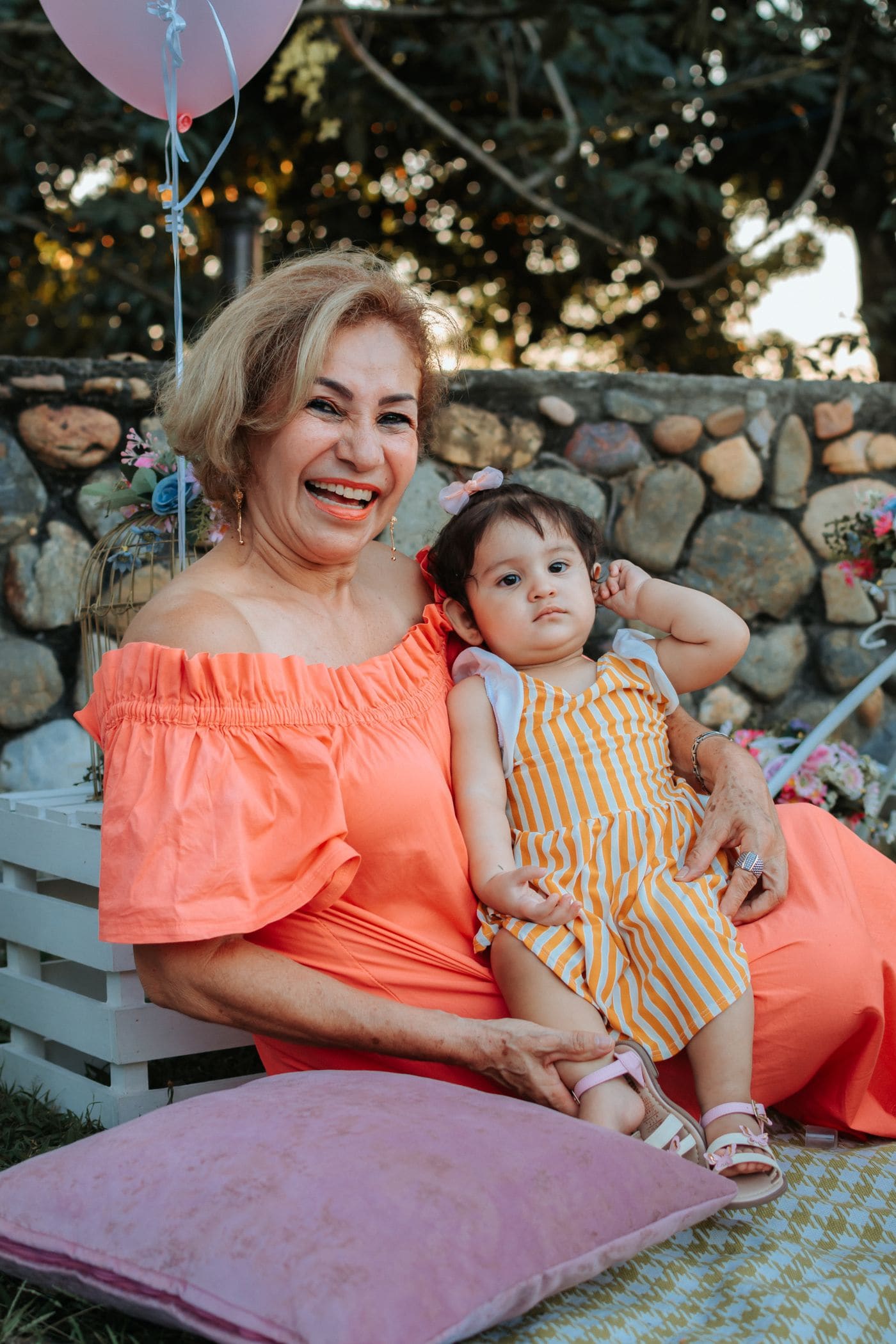
If your parents or grandparents tell their stories best in Spanish, record them in Spanish. People remember more, say more and sound like themselves in the language they grew up with. To make the stories understandable for the grandchildren, add a transcript and a translation afterward, instead of asking your parent to switch languages. A phone recorder works in any language, and some tools, like Dalia, are built to hold the whole conversation in Spanish.
Why record in their first language
Many families live between two languages. The grandparents tell stories in Spanish; the grandchildren understand some but answer in English. It's tempting to ask the grandparents to speak English "so the kids can understand," but stories told in a second language are usually shorter and flatter. The jokes, the sayings and the names of things don't translate.
Record them in the language they live in. You can translate later; you can't get back the way they told it.
Tools that work in Spanish
- Your phone's voice recorder: works in any language and is free. You do the interviewing.
- The StoryCorps app: free, records in any language and can save the conversation to the StoryCorps archive. The app's own prompts are in English, so prepare your questions in Spanish ahead of time.
- Story-book services like StoryWorth send questions by email and turn the answers into a book. Many let you write your own questions, so you can send them in Spanish; check how the rest of the service works for a Spanish speaker before you buy.
- Dalia: an AI interviewer that talks with your parent by voice, in Spanish or English. It asks the questions, follows up on the details and treats your parent with the formality they're used to ("usted" or "tú"). After each conversation, the family gets the recording, a Spanish transcript and a summary in both Spanish and English, so everyone can follow.
Our comparison of apps to record family stories covers these in more detail.
Tips for bilingual families
Let them switch languages. If your grandmother moves between Spanish and English mid-sentence, that's how she talks. Don't correct it; it's part of the recording.
Ask in the language you're most comfortable in, too. If your Spanish is limited, it's fine to ask in simple Spanish or even in English and let them answer in Spanish. A short list of written questions helps.
Use the words they use. Ask about "el rancho," "la vecindad," "el mandado" or "la quinceañera" by name. Familiar words bring back memories.
Ask about the words themselves. Sayings, nicknames and regional words are part of the family's history. "¿Qué quería decir eso?" can lead to a whole story.
Write down names and places carefully. Spelling of towns, saints' days and family nicknames can be tricky. Ask your parent to spell them, or check them with a relative afterward.
Making the stories understandable for everyone
- Transcribe the recording in Spanish, so nothing is lost. Many tools do this automatically.
- Add an English summary or translation for family members who don't read Spanish. A short summary of each story is often enough to get the grandchildren interested.
- Listen together. Play a recording at a family dinner, with someone who speaks both languages explaining the hard parts. Hearing a grandparent's voice tell a story is meaningful even before you understand every word.
Frequently asked questions
Is there an app that interviews my parents in Spanish?
Yes. Dalia is an AI interviewer that holds the conversation by voice in Spanish (or English), asks follow-up questions and saves the recording, a Spanish transcript and a summary in Spanish and English. You can also record conversations yourself in any language with your phone or the StoryCorps app.
Should I ask my grandparents to tell their stories in English?
Usually not. People tell richer, more detailed stories in their first language. Record in Spanish and add a transcript and translation afterward so English-speaking relatives can follow.
How do I translate a recorded family story?
Start with a transcript in Spanish, then translate it, or write a short English summary of each story. Ask a bilingual relative to check names, places and sayings, which are easy to get wrong.
What if I don't speak Spanish well enough to interview them?
Prepare a short list of questions in simple Spanish, ask a bilingual relative to join, or use a tool that holds the conversation in Spanish for you. Our questions to ask your grandparents are also available in Spanish.