Day of the Dead: how to keep the stories of the people we've lost
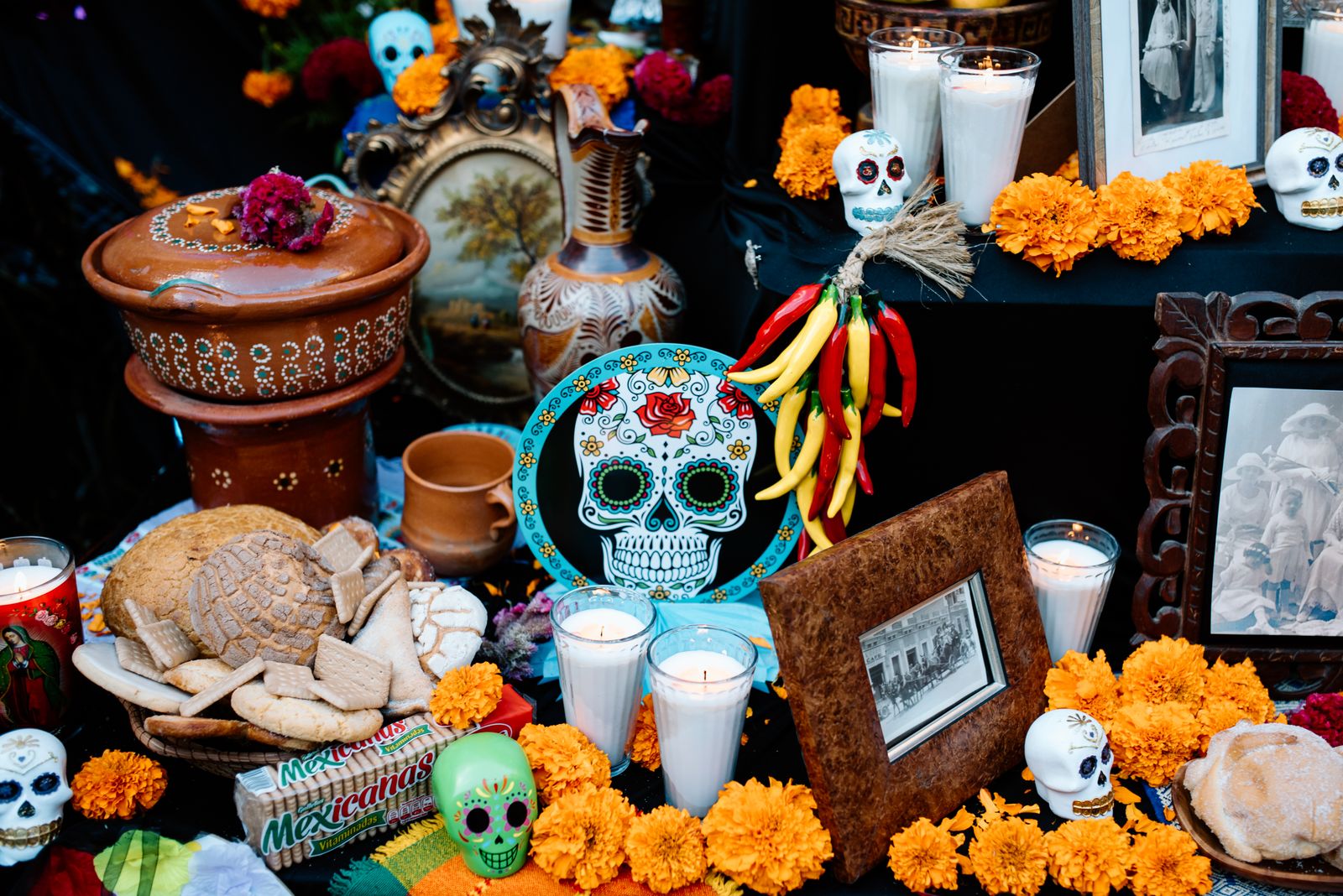
Día de Muertos is the best time of year to save the stories of family members who have died, because the ofrenda already asks the questions for you: every photo, dish and object on it has a story behind it. Sit with the older people in your family in front of the altar, ask about one person at a time, and record what they tell you. Next year, the ofrenda will hold not just their photo but their story.
Why the ofrenda is the best conversation guide
When someone puts their father's photo on the altar, they're already remembering. You don't need to prepare an interview. Just point at something and ask.
- The photo: who took it, where, and what was happening that day?
- The food: why this dish and not another? Who used to make it, and how?
- The object: the hat, the rosary, the bottle, the toy. Where did it come from?
- The drink or the sweet: it's often what the person loved most, and there's a story there.
Grandchildren who help set up the ofrenda often ask the best questions, because they genuinely want to know.
Questions to ask in front of the ofrenda
Pick one person at a time. Five or six questions make a good conversation.
- Who were they? How would you describe them to someone who never met them?
- How did you meet, or what's your first memory of them?
- Why did we choose this photo?
- What did they love to eat? Who taught them to make it?
- What did they always say? Did they have a favorite saying?
- What made them laugh?
- What did they do for work, and what was a normal day like for them?
- What's the story about them that the family tells most?
- Is there something about their life that almost nobody knows?
- What did they teach you?
- Who in the family is most like them today?
- What would you like the kids to know about them?
If more than one elder is at the table, let them finish each other's stories. Often one starts and another remembers the rest.
When the conversation turns sad
It's natural for someone to cry, especially if the loss is recent. Don't change the subject abruptly or try to cheer them up. Something simple, like "You can tell how much you loved them," is enough, and let them decide whether to go on. On Día de Muertos, remembering with sadness is part of the celebration too; many families say telling their stories is how the people they've lost stay with them.
How to record it without losing the warmth
- Ask permission before recording, and say why: "so the kids remember."
- Use your phone's voice recorder, close to whoever is telling the story.
- At the start, say the date and who you're talking about.
- Save a copy the same day and share it with the family.
If the elders in your family live far away, or you'd like someone else to ask the questions, Dalia can talk with them by voice, in Spanish or English, and save each conversation with its recording and transcript for the whole family.
An idea for next year
Write one line from what they told you on a card, like a saying, a memory or a favorite food, and place it next to the photo on next year's ofrenda. Over the years, the altar becomes the family's album of stories.
Frequently asked questions
What questions can I ask on Day of the Dead about family members who have died?
Ask who the person was, what they loved to eat, what they always said, what made them laugh, and which story about them the family tells most. Start from something concrete on the ofrenda, like the photo or a dish, and ask about one person at a time.
How do I talk to kids about Día de Muertos?
Invite them to help set up the ofrenda and to ask the questions themselves. Kids like knowing why each thing is on the altar, and grandparents love telling them. Explaining that it's a celebration for remembering with love helps them not feel scared.
How can I preserve the stories of relatives who have passed away?
Record the older people in your family telling them, save a copy the same day, and share it. The stories of people who have died live only in the memories of those who knew them, so the most important thing is to record them while those people can still tell them.
What if my grandparents don't want to talk about relatives who have died?
Respect that. Sometimes a loss hurts too much to talk about. You can start with something lighter, like the recipe for the dish on the ofrenda, and let them decide whether to share more.